
Pakistan Sweet Home Rehabilitation Center
Over 6.7 million Pakistanis are trapped in drug addiction, with no way out. Pakistan Sweet Home Rehabilitation Center offers a free recovery path that brings them back to life!
Rehabilitation Fund
Choose an amount
Your contribution directly supports essential rehabilitation services.
Secure Payment. This site is protected by reCAPTCHA and the Google Privacy Policy and Terms of Service apply.
“There should be neither harming nor reciprocating harm.”
- Sunan Ibn Majah (Hadith 2340)
Pakistan's First Free of Cost Rehabilitation Center
While drug treatment usually costs a fortune and is out of reach for many, we are Pakistan's first and only center providing professional care at absolutely no cost. Your support makes this free lifeline possible for those who need it most.
Breaking Financial Barriers
While the treatment for addiction is incredibly expensive, we provide it absolutely free of cost. We are the first in Pakistan to offer these life-saving services at no charge, ensuring that no one is left behind.
A Safe Place to Recover
You provide more than just medicine; you provide a sanctuary. Your support builds a safe haven where broken souls find the professional care and peace they need to heal.
Giving Hope Back
Addiction steals futures, but you restore them. By making recovery a right, not a luxury, you give a father, a son, or a friend the chance to dream again.
Respect for Everyone
No one should be defined by their darkest moments. Your generosity wraps every individual in dignity, proving that they are worth saving and never alone in their fight.
Witness the Impact of Your Support
Pakistan Sweet Home Rehabilitation Center restores lives through recovery, providing care, nourishment, and hope for individuals rebuilding brighter, addiction-free futures.
Care That Heals
Professional medical and psychological support for every individual.
Hope Restored
A free path back to a healthy, addiction-free future.
Lives Rebuilt
Reintegration into family, work, and community life.
Pakistan's Drug Crisis
6.7 Million Affected (2013)
People in Pakistan used illicit drugs in a year (*6% of population)
24% Misusing Prescription Drugs
Around 1.6 million people in Pakistan misuse pharmaceutical drugs annually.
Only ~30,000 Treated Annually
Less than 1% receive rehabilitation support each year
Cannabis: 4 Million Users
Most commonly used drug in Pakistan
1% Using Opiates (Heroin/Opium)
Higher than global average trends
8% Adult Population Using Drugs
Indicates widespread substance exposure
Root Causes: Why Addiction Takes Hold
Understanding the “Why” is as important as treating the “What.” Addiction often stems from deep-rooted social and personal challenges.
Social Influence
Peer pressure and the desire to fit in, especially among youth.
Easy Accessibility
Widespread availability of street drugs and prescription misuse.
Economic Despair
Poverty, unemployment, and a lack of future opportunities.
Trauma & Dysfunction
Mental health issues, family instability, or past trauma.
Curiosity
Experimentation fueled by lack of awareness and education.
The Cycle Must Be Broken
Peer pressure and the desire to fit in, especially among youth.
- Early Intervention
- Community Support
- Professional Rehabilitation
Impact of Addiction
Addiction is never isolated. It starts with the individual and ripples outward, devastating families, communities, and the entire nation.
Individual Health
Physical Decay: Damage to vital organs and immune system.
Mental Crisis: Anxiety, depression, deterioration and psychosis.
Behavioral Shift: Poor judgment and neglect of duties.
Economic Ruin: Poverty and financial instability.
Family Stability
Emotional Grief: Chronic stress and anxiety for loved ones.
Mental Crisis: Anxiety, depression, deterioration and psychosis.
Behavioral Shift: Poor judgment and neglect of duties.
Economic Ruin: Poverty and financial instability.
Societal Health
Physical Decay: Damage to vital organs and immune system.
Mental Crisis: Anxiety, depression, deterioration and psychosis.
Behavioral Shift: Poor judgment and neglect of duties.
Economic Ruin: Poverty and financial instability.
National Growth
Physical Decay: Damage to vital organs and immune system.
Mental Crisis: Anxiety, depression, deterioration and psychosis.
Behavioral Shift: Poor judgment and neglect of duties.
Economic Ruin: Poverty and financial instability.
Community Contribution
Physical Decay: Damage to vital organs and immune system.
Mental Crisis: Anxiety, depression, deterioration and psychosis.
Behavioral Shift: Poor judgment and neglect of duties.
Economic Ruin: Poverty and financial instability.
Overall Holistic Impact
Physical Decay: Damage to vital organs and immune system.
Mental Crisis: Anxiety, depression, deterioration and psychosis.
Behavioral Shift: Poor judgment and neglect of duties.
Economic Ruin: Poverty and financial instability.
Why This Mission Exists
Addiction is expensive and hard to stop. It takes real dedication and professional help to heal people and make our community strong again.
The High Price of Addiction
Addiction costs our country dearly in healthcare and lost lives. We are here to stop the damage and save our community.
It Takes More Than Just Trying
Stopping drugs is a hard battle, not just a choice. It requires professional help and long-term support to truly heal the brain.
Healing the Whole Person
We focus on fixing physical, mental, and emotional health. We help people find their self-respect and purpose again.
Bringing Our Community Back
Our goal is to heal our society. By helping people recover, we turn them back into helpful members of the community.
Who Needs Our Support?
We focus on helping those who are most at risk of falling into drug use.
Children in Slum Areas
Youth in impoverished areas often grow up without guidance, seeing fathers or elders using drugs. They frequently follow the same tragic patterns without knowing any better.
Daily Wage Workers
Many workers doing hard physical labor turn to drugs to cope with pain and exhaustion. Without proper healthcare, they get trapped in addiction just to keep working, eventually losing everything.
Struggling Adults
Many adults turn to substances to escape the pain of unemployment or poverty, eventually losing their health and their ability to provide for their families.
Addiction Among Women
A significant percentage of drug users are women. This leads to severe health risks and can cause birth defects in children, affecting the next generation
Teenagers Fighting Addiction
For teens already struggling, we provide counseling and therapy to help them get healthy and back on the right track.
Homeless & Vulnerable
Many on the streets are caught in a cycle of addiction and homelessness. We provide the care and shelter they need to reclaim their lives.
Real Stories of Transformation from Our Rehabilitation Center
I can feel that I am improving every day since I joined the center two months ago.
The Path to Recovery
Our structured rehabilitation process is designed to heal the mind, body, and spirit, guiding every individual from initial assessment to full community re-integration.
1. Initial Assessment
Everything begins with a deep evaluation. Doctors and therapists assess mental/physical health, addiction history, and triggers to create a personalized recovery plan.
“Seeking knowledge and self-awareness is the first step toward healing (Al-Quran).”
- Mental & Physical Health
- Addiction History & Triggers
- Social & Family Background
2. Clinical & Individual Care
Once the plan is ready, we begin one-on-one therapy to focus on root causes and provide medical support to stabilize withdrawal symptoms.
“Prophetic medicine emphasizes that for every disease, there is a cure.”
- Individual Therapy Sessions
- Medical & Psychological Support
- Detoxification & Habit Analysis
3. Holistic Wellness
Recovery is about rebuilding life. This stage builds inner strength, routine, and emotional balance through group therapy and physical activities.
“A strong believer is more loved than a weak believer (Sahih Muslim).”
- Group Therapy & Sharing
- Gym & Physical Exercise
- Habit & Discipline Building
4. Social Skills Training
As stability improves, we focus on communication and interpersonal skills to prepare patients for real-life social situations and family life.
“The best among you are those who are best to their families.”
- Communication & Expression
- Managing Emotions
- Rebuilding Family Trust
5. Behavioral Transformation
Patients learn to identify triggers, avoid relapse patterns, and build new coping strategies for responsible decision-making.
“Verily, Allah will not change the condition of a people until they change what is in themselves.”
- Relapse Prevention
- New Habit Formation
- Responsibility & Decision Making
6. Gradual Reintegration
A slow transition back to normal life with increased family involvement and reintroduction to social and vocational environments.
“Service to humanity is service to the Creator (Khidmat-e-Khalq).”
- Family Involvement
- Social Exposure
- Vocational Skill Development
7. Aftercare & Long-Term Support
Recovery continues after leaving. We provide follow-up sessions and support groups to ensure long-term sobriety and prevent relapse.
“Steadfastness (Istiqāma) is the key to lasting success.”
- Follow-up Sessions
- Support Group Access
- Continuous Counseling
The Spectrum of Addiction: Understanding the Threat
Addiction spans a wide range of substances, each impacting the brain and body differently. Understanding these categories is the first step toward effective intervention and recovery.
Depressants
Slow Brain Activity
- Alcohol
- Benzodiazepines (e.g., Diazepam, Alprazolam)
- Barbiturates
- Opiates (e.g., Heroin, Morphine)
Stimulants
Increase Alertness and Energy
- Cocaine
- Amphetamines
- Methamphetamine
- Nicotine
- Caffeine
Hallucinogens
Alter Perception and Reality
- LSD
- Psilocybin (magic mushrooms)
- DMT
Cannabis Group
Natural & Synthetic Variants
- Cannabis (marijuana, hashish, charas)
Inhalants
Chemical Vapors
- Glue
- Paint thinners
- Petrol fumes
Prescription Misuse
Abuse of Medical Drugs
- Painkillers (e.g., Tramadol, Codeine)
- Sleeping pills
- Anti-anxiety medicines
Most Common Drugs in Pakistan
Current trends and widespread substances of abuse
Cannabis (Charas/Hashish)
Widespread across all social classes; relatively cheap and easily available.
Heroin
Geographical proximity to major producers makes access easier.
Ice (Methamphetamine)
Strong stimulant with severe mental health effects, especially among youth.
Pharmaceutical Misuse
Easily accessible through pharmacies due to low awareness.
Most Common Overall
Cannabis (Charas)
Dangerous Trend Rising
Ice (Methamphetamine)
Most Addictive Impact
Heroin
Need help? We are here for you.
If you or someone you know needs help, please call us. We are ready to support you every step of the way.
Our Strategic Partners
We work closely with law enforcement and specialized healthcare providers to ensure the highest standard of care and safety for our residents.

Trusted. Verified. Accountable.
Pakistan Sweet Home is dedicated to the highest standards of compliance.
We ensure our accreditations stay up-to-date and are monitored by trusted third parties, all according to guidelines established by SECP, NAB, and GOP.
Government Registered
SECP Certified
NAB Compliant
Third-Party Audited
How to Donate
You can directly deposit your donations into our official bank account or send them to our JazzCash account using the details below:
 Verified
- Bank
- Meezan Bank
- Account Title
- PAKISTAN SWEET HOME Angels and Fairies Place
- Account Number
- 08220102632194
- IBAN
- PK98MEZN0008220102632194
- Branch Code
- 0822
- Swift Code
- MEZNPKKAGRD
Confirmation
After completing the process, please Email or WhatsApp us a copy of the funds transfer receipt issued by your bank (email/screenshot) at donations@pakistansweethome.org.pk or +92 335 1118477.
Frequently Asked Questions
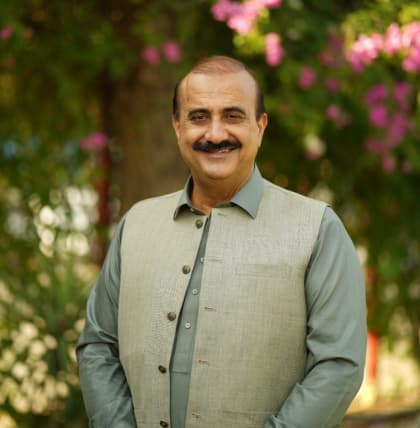
Zamurrad Khan
Pakistan Sweet Home
A Single Act of Kindness
Started a Movement
During a visit to Swat Operation Raah e Raast with the former Prime Minister, I was stunned by the heartbreaking conditions faced by orphaned children.
I couldn't just walk away and leave them there without help. I felt an immediate need to take action — so I turned to my family and friends, and we made a decision to adopt a child.
That single act of kindness and compassion planted the seed for what would become Pakistan Sweet Home — a foundation dedicated to providing safe and loving homes for orphaned children in need.